Independence Days

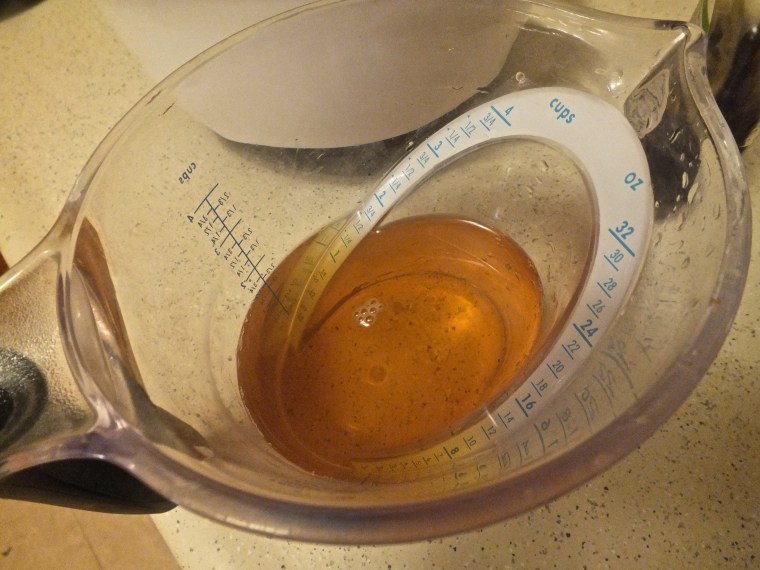
It’s the 4th of July, also known as Independence Day, and I’d like to leave patriotism, nationalism, parties and politics aside and propose Food Independence Days. Somehow, we have been led to believe that dependence on highly processed, low value, high convenience foods from mega-producers are part of our identity here in the U.S.A. I say we revolt! Instead of throwing tea into the harbor, let’s metaphorically throw out the  foods that tax our health and our vitality.

I’d like to recognize and share my admiration for the Indigenous people who have been taking back their own foods and re-learning horticultural and cooking skills. Not only are tomatoes, blueberries, strawberries, corn, and many of the foods we consider “American” all from Indigenous agriculture, they are suited to their humans’ dietary needs and deeply integrated via culture – arts, festivals, ceremonies, language. There is a relationship of mutual care, that nourishes both humans and the environment. And reasserting one’s own knowledge and multi-millennial history, is truly empowering. Knowing how to harvest wild rice or acorns, identifying edible wild roots and tubers, knowing when certain wild berries ripen and cooking this into a delicious meal is self-reliance most of us don’t have any more. The wellness, pride, community bonds and decolonized thinking that come from such efforts are bringing back food independence days.

I’d like to salute the children and grandchildren of immigrants and descendants of slaves who go back to traditional recipes, go out of their way to find (or grow) traditional ingredients, talk with family members, and sweat it out in the kitchen to make a meal that is their own. They skip the packaged shortcuts. They rediscover the intense flavor-memory connection and the skills-pride-identity connection. They make it an occasion and a celebration. On other days, they may eat mainstream dishes while sitting at their office desk, but they can still dig deep and make things fresh, from scratch for a special holiday or gathering that then becomes a banner Food Independence Day.

To the gardeners and small growers, the folks who cook from scratch, can foods, bake bread, dry tomatoes and apricots, and who save seeds – and there’s lots of overlap with the previous two groups – Viva la revolución! You work on your independence daily, refuse to be wholly dependent on the food industry, think critically about what you are consuming. As “gangsta gardener” Ron Finley says, “Gardening is the most defiant and therapeutic thing you can do…plus you get strawberries.”

I’m not suggesting you overthrow anything except your own fridge and pantry here. But that’s the territory where our own Food Independence Days start. Happy Independence Day!


A fruit crisp for all seasons

The crunchy, crumbly topping stays the same while the fruit changes with the seasons! Apricots and blueberries? Strawberry rhubarb? Apple-cranberry? Peach and olallieberry? Choose fruit at it’s flavorful, nutritious peak, then cover with the maple-syrup-sweetened topping. Relatively low glycemic load, high nutritional value, high enjoyment value. Check out this magically interchangeable recipe at  http://recipes-with-a-purpose-463754.silk.co/page/Seasonal-Fruit-Crisps

On Dad’s Passing a Year Ago Today…

DSCF5420

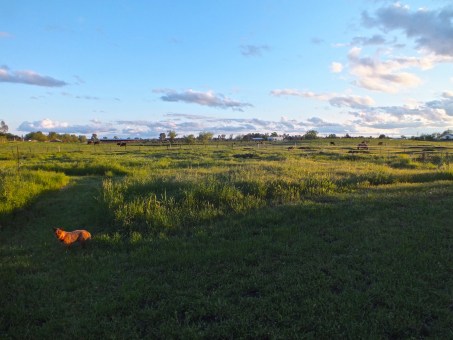
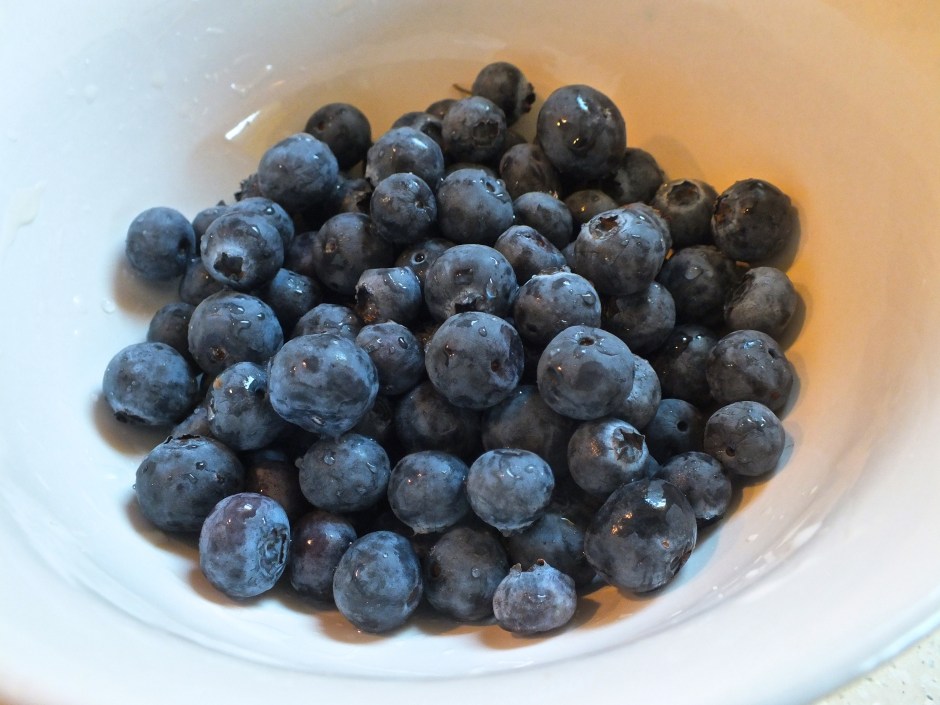
It’s still very green out in the meadow, birdies feeding babies, brodiaeas and vetch turning everything into waves of purple, seedlings getting their footing in the rows…and tons of mowing, weeding, and loosening soil that went from mush to concrete over night. Fruit trees had some damage from fire-blight and leaf-curl, but are recovering pretty well, with apricots and plums taking the lead in productivity so far. Olallie-berries are setting fruit too. My dad encouraged me to plant more fruit trees and (super-nutritious) berries, as they’d be easier to take care of than row crops, and it is true. I am feeling the effects of yesterday’s work transplanting beets and pumpkin starts. This farm started with 9 trees and now has about 30 fruit trees and about 25 olallie-berries, 2 grapes, some raspberries, some blueberries, gojis and currants. Today marks the one year anniversary of Dad’s passing – just before the apricots he loved ripened – and i hope he’d be proud to see the farm biz developing. The idea of growing fruit and veggies and teaching about healthy food to support those fighting cancer was something we worked out together after his decades of out-running the disease while living pretty darn well most of that time. His family, when his Mom was a young widow, had a corner store, so they ate lots of that kind of convenience food. He hated Jello ever afterward. When Grandma re-married, they moved to the farm (on which my own farm is modeled, minus the cows), but Dad had gone off to the air force by then. For a guy who used to say people never change, the switch 20-odd years ago to near-vegetarian, mainly produce, healthy food and alternative medicines was a big deal, but he said he had never eaten so well in his life. And I believe it gave him at least a better foundation for keeping the big C at bay for decades. He looked healthy and strong until the last weeks. This is what i want to pass on, on his behalf, to share the benefit of fresh, whole, garden food for fighting off illnesses, of thinking outside the limited standard options, and of taking charge for yourself. Dad also really, thoroughly enjoyed fresh, homemade foods, especially those that reminded him of Grandma’s farm, and i also want to pass on that joy and delight in delicious dishes. Dad was, however, a lifelong peanut-butter-and-jelly guy, so i’ll be having one in his honor today, though it’s homemade bread and jelly…please join me!

The Eatnocrap Diet

There are lots of trendy diets out there that promise to magically or through strict, torturous sacrifice make you healthy, skinny, desirable and full of self-esteem with no exercise at all. Most are touted with lots of exclamation points and fearful warnings and deliberately make you worry about your health and your appearance. Few are based on science or come from serious doctors. And even fewer do much for you in a permanent and whole sense.

So, since I’m not a medical doctor (doctor, yes, but a PhD.) and have only my own personal observations on which to rely, I feel fully qualified – or at least as qualified as most other purveyors of dietetic regimens – to present to you my EATNOCRAP diet! Ta-daa! (Don’t sue me.)

Diet Water
I don’t know who made this meme, but kudos!

First EATNOCRAP rule: Don’t swallow any baloney! The bigger the claims, the more likely things are too good to be true.  The more hysterical the admonishments the more skeptical you can be. Remember how deadly eggs were considered for a time? Potatoes? Now soy is terrible, no it’s a super-food, no, it’s…..??? Terms like “all natural”, “high protein”, “super-food”, “low-fat” or “low-sugar” don’t mean much. Some of these claims, like “low-calorie” come with icky trade-offs, like artificial sweeteners. (“Organic”, on the other hand does mean a farm follows some strict rules and that they are monitored.) Corporate food marketers have their own set of priorities, and your health and my health are not at the top of that list.

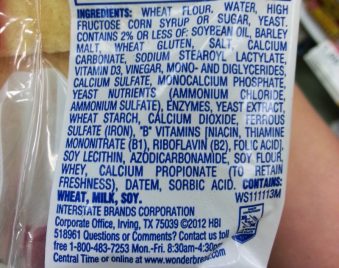
wonder_bread_ingredients-1Second EATNOCRAP rule: Keep it real! Instead of counting calories, count added chemicals! Real, unadulterated, un-fake food from the garden or farm, as fresh as possible, has better flavor and should contain more nutrients. And your body knows what to do with it. Colors, preservatives, added nutrients (’cause the real ones were lost in processing), fillers, sugar, salt and fats are trying to cover up the dismal lack of real taste and value. And they can have a negative impact on your health. Cook stuff, rather than microwave or order through a clown’s face, and don’t over-fuss. Simple is good. Real, fresh food requires less work and less added ingredients to be fabulous.
Third EATNOCRAP rule: Treat yourself! If you think your diet is a miserable sacrifice, it won’t work. Get the nicest, most colorful, freshest food you can afford, and make something pretty. You deserve it. You need it.

Fourth EATNOCRAP rule: Connect to the world around you! Be a real human being! Eating fresh, local, seasonal food from small farm helps your environment and your local economy. Massive commodity foods like sugar, cheap fats, GMO corn and wheat, dairy, soy, etc. and foods shipped from afar work against your environment and your local economy. There are also a lot of nasty chemicals around food when it’s shipped in bulk. That’s a big picture issue, but in the small picture, i encourage you to know your farmer and to eat with nice people, share and swap (healthy) dishes and recipes, and slow down to enjoy your meal. Encourage each other to EATNOCRAP.

Fifth EATNOCRAP rule: use common sense! I know, nobody does that anymore. So old-fashioned. Kids aren’t taught critical thinking skills. Nobody has time to be their own researcher and advocate. But if it’s in a glitzy package, you know it’s not farm fresh, right? Turn that package around and read it! If you don’t know what that stuff is, don’t put it in your mouth! You may find out later that it’s made from hair (L. Cysteine, a dough conditioner found in bagels, bread), anti-freeze (Propylene Glycol in lite ice creams) or beaver butt glands (fake vanilla flavor) or just straight up weird chemicals. Buckets of worthless carb-fat-salt concoctions and soda seem like a bargain, but you are smarter than that. Chicken nuggets are cheap in both senses of the word – not much money, not any real value. Ask yourself, how can some foods possibly be so cheap? How is cola cheaper than water? What is the real cost?

Sixth EATNOCRAP Rule: Do the best you can! Do what you can afford to do, but use your wits, your benefits, your social networks to find the best fresh, real food within your budget. Keep only the healthy stuff in your home, your space for well-being. Everyone will go off their ideal diet when traveling or at work or on special occasions, but if the junk food isn’t in your house and veggies with hummus is, that’s what you’ll eat while watching tv. If you must have something that’s not great for you, do it in a small amount, not too often, but exquisite quality. Rather than a rubbery, sugary, chocolate bar (made with slave labor), get a special artisanal truffle – same money, bigger treat. Don’t beat yourself up if you slip, but the more you eat fresh food, the less you’ll want to have the other.

Seventh EATNOCRAP Rule: Be your own fiercest defender. Your wellness is the priority. Take no bull. EATNOCRAP!


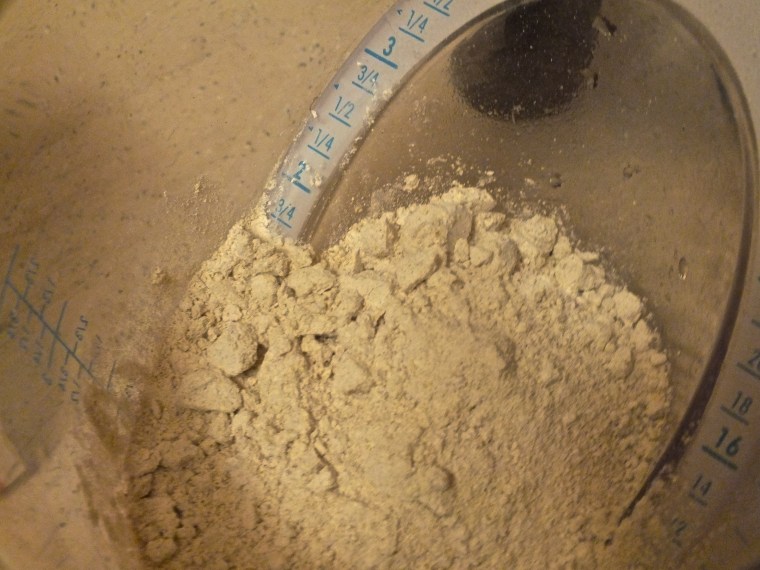
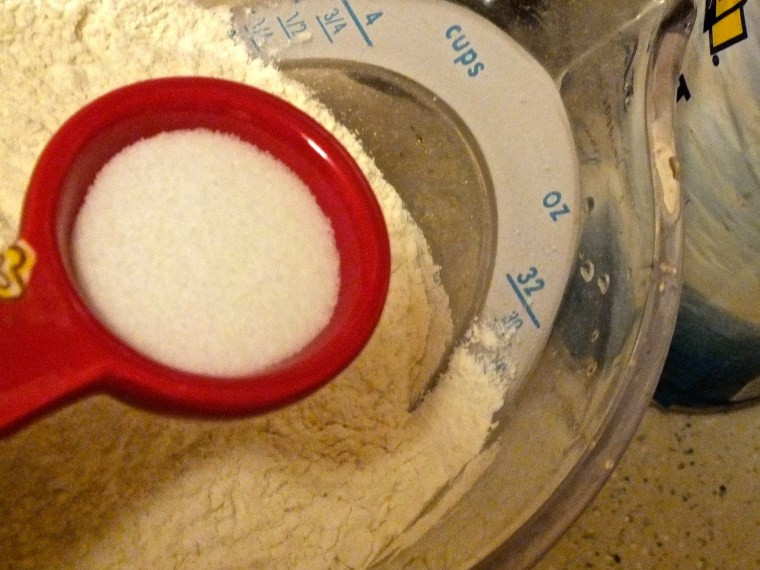
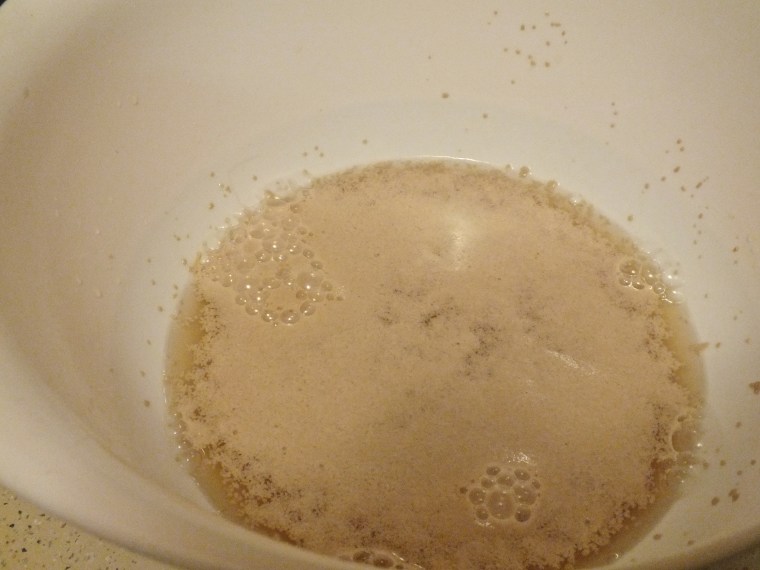
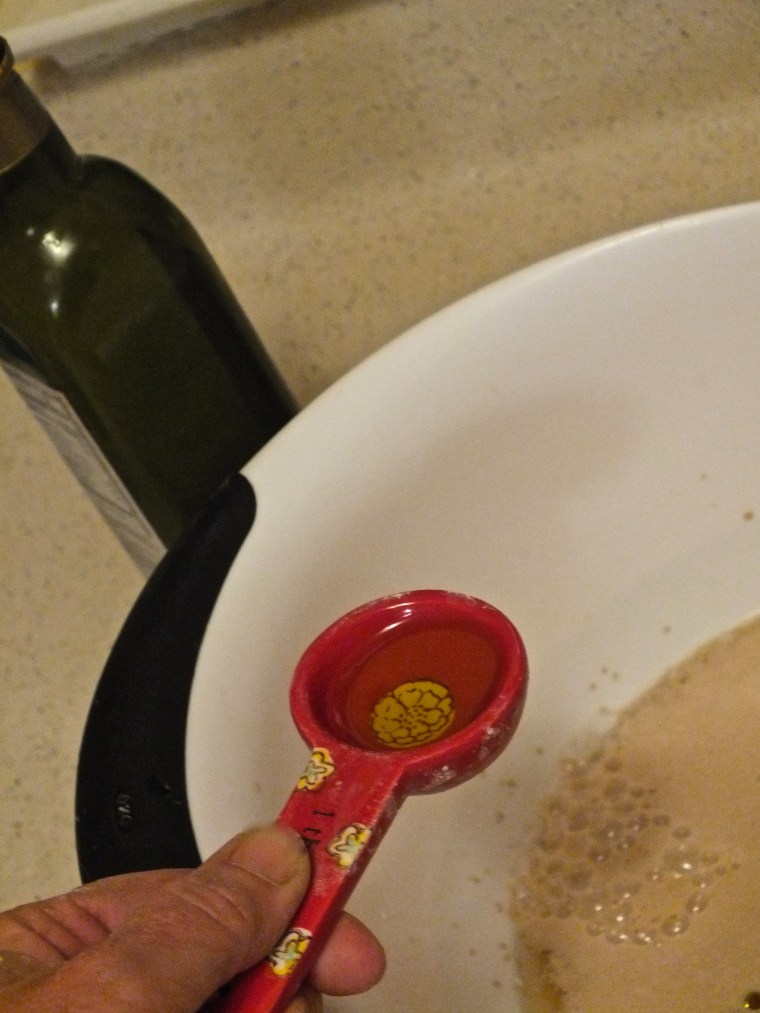
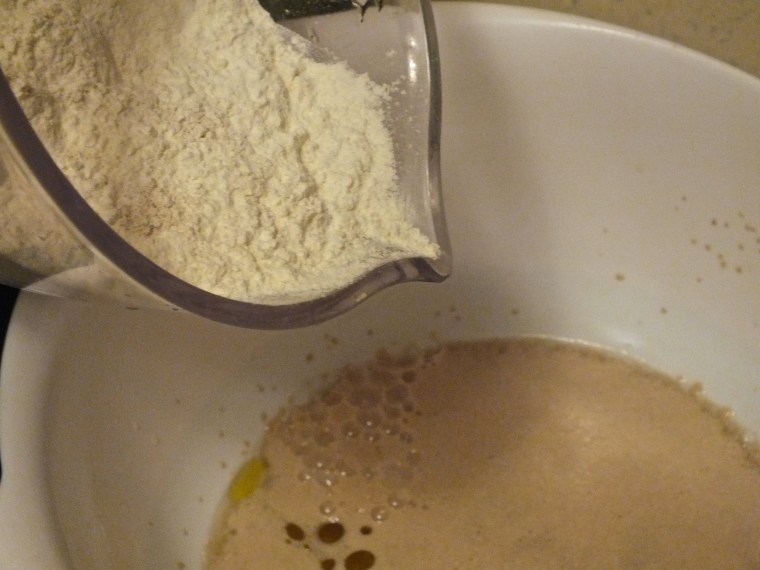
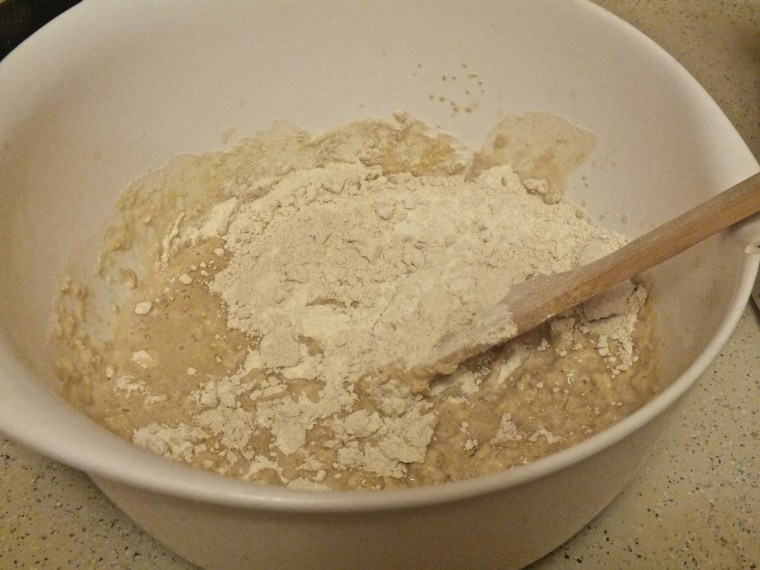
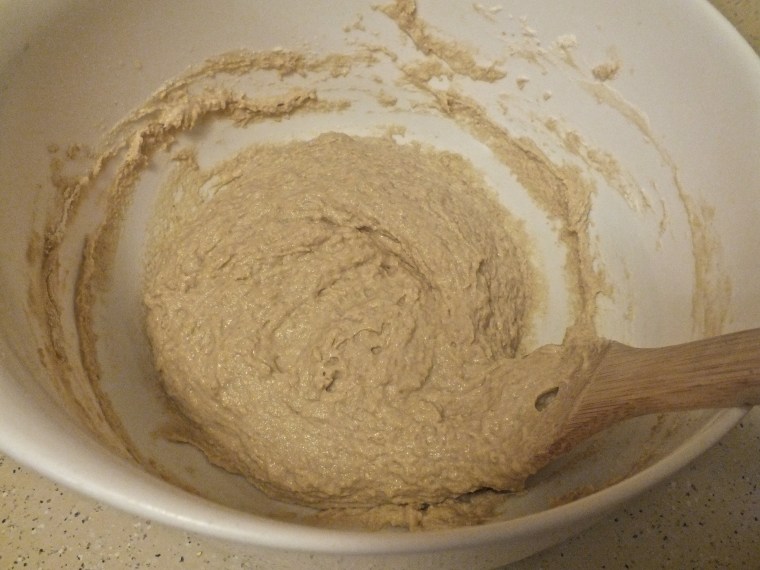
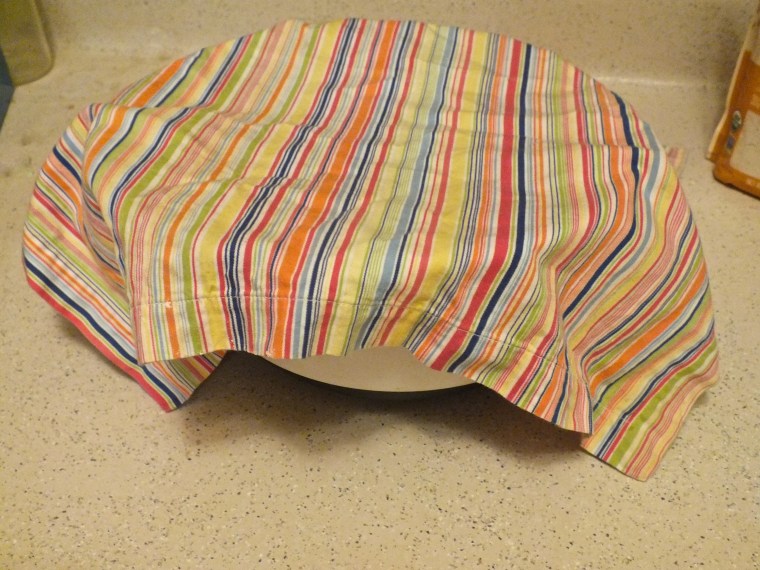
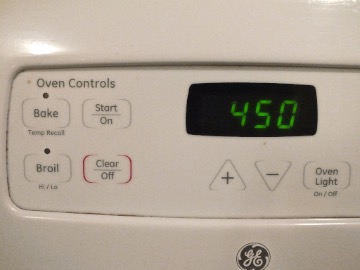
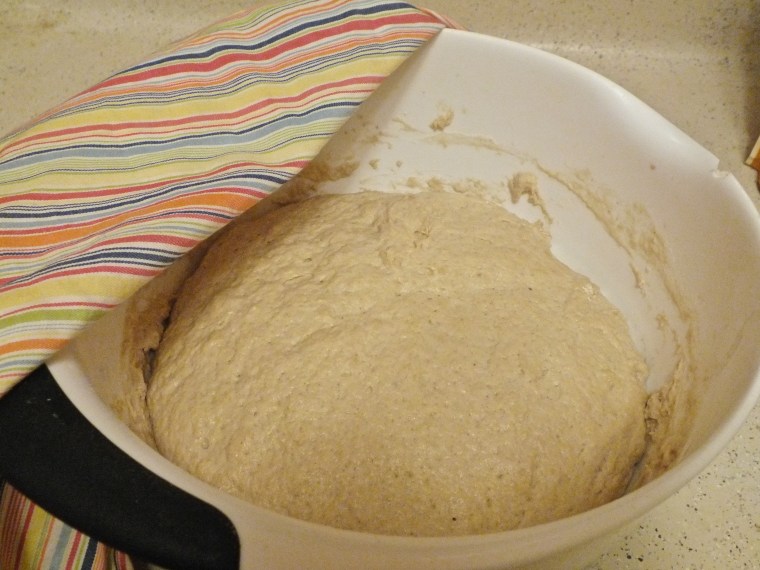
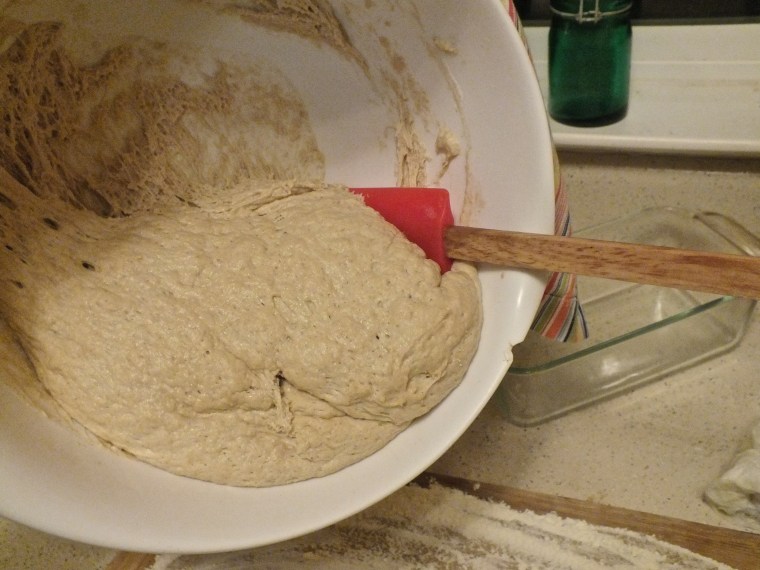
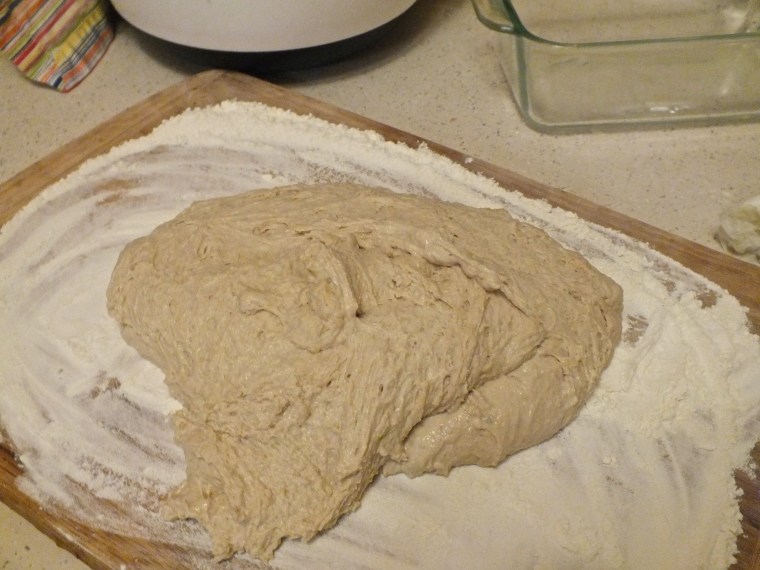
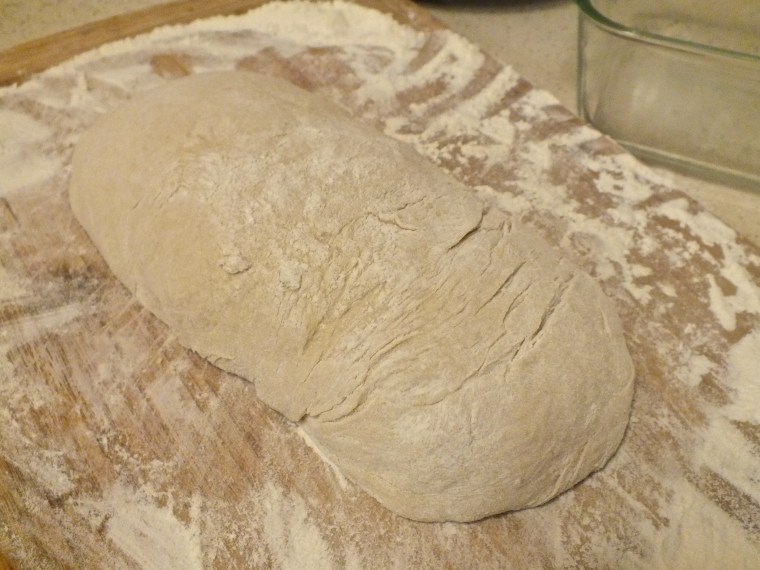
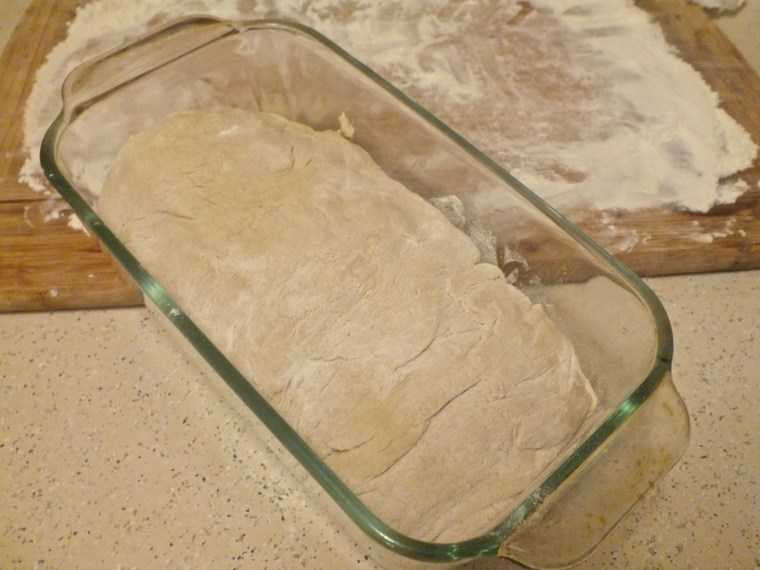
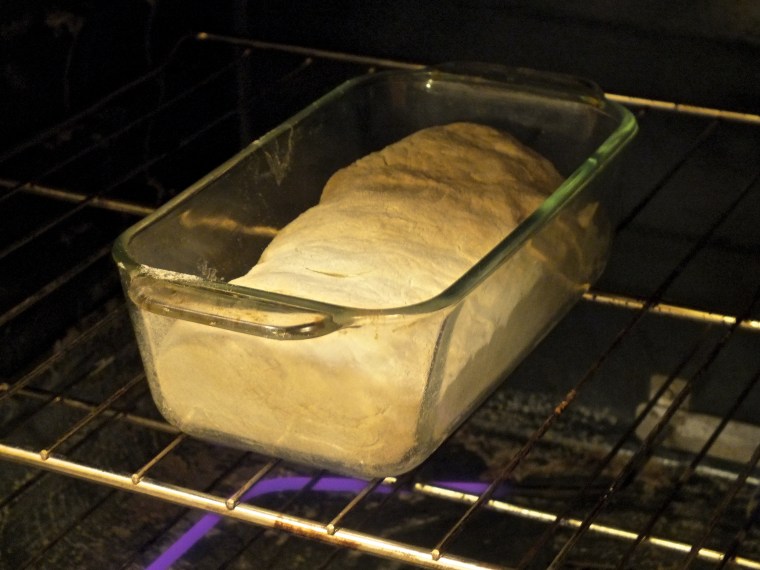
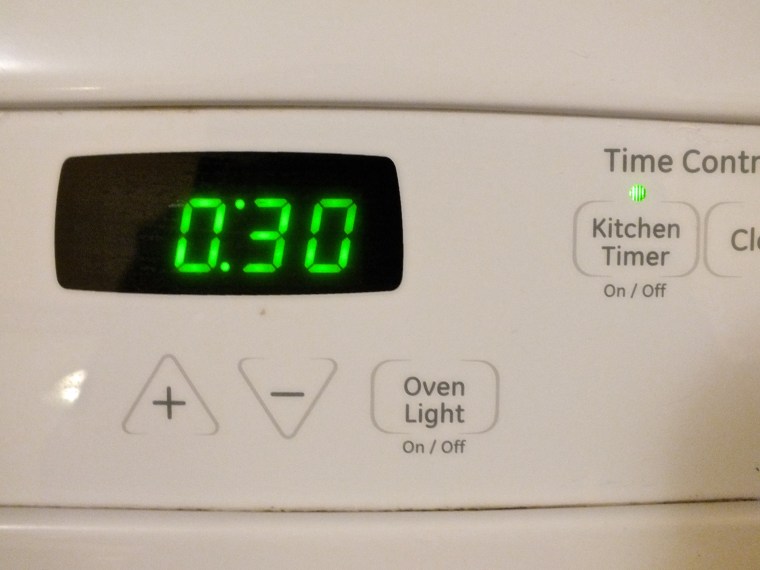
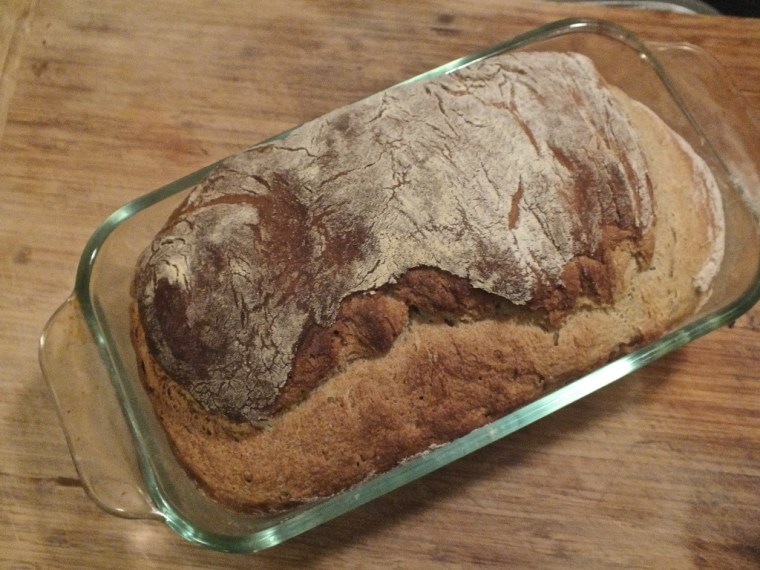
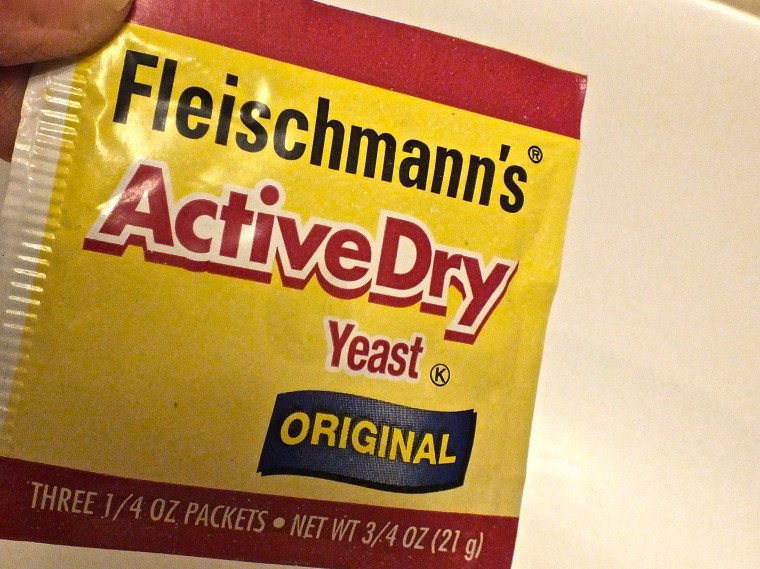
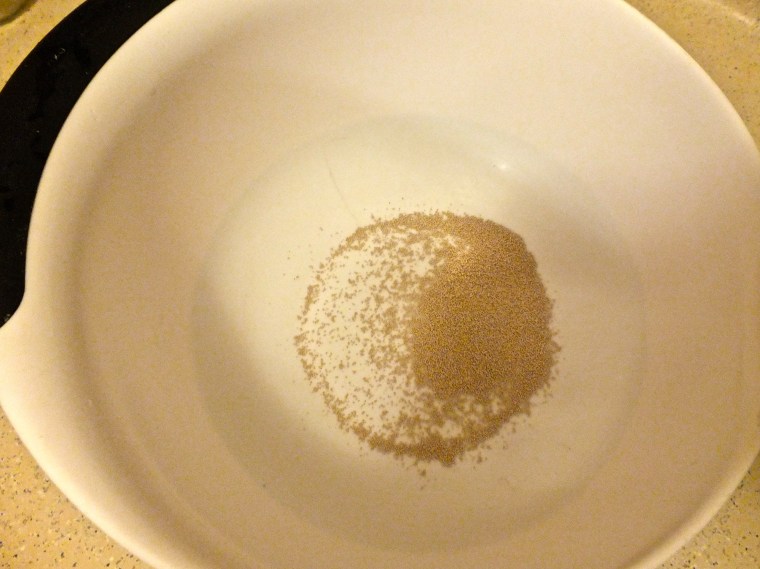
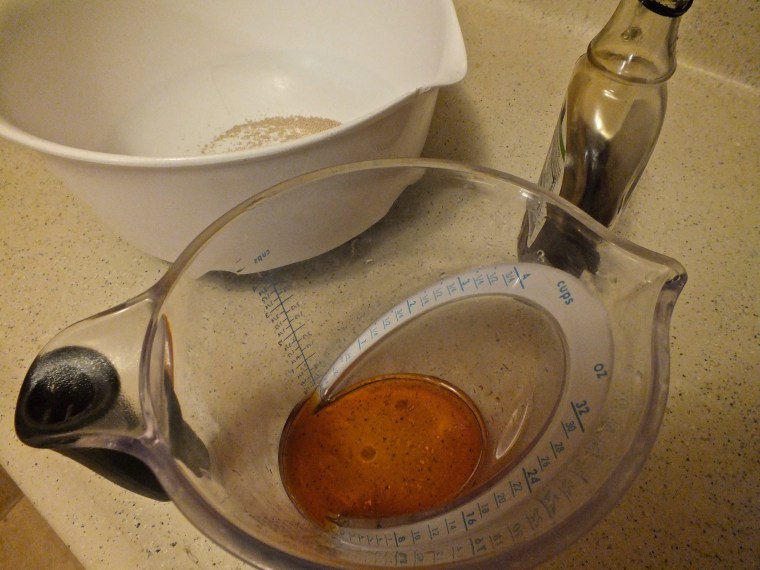
Oat Bread – oh so easy!

This is both easy AND simple. Just seven ingredients. No weird stuff like Calcium Propionate (Preservative), Sodium Stearoyl Lactylate, Monoglycerides, Calcium Sulfate, Ascorbic Acid (Dough Conditioner), Soy Lecithin, Azodicarbonamide – ingredients found in commercial “healthy” breads.

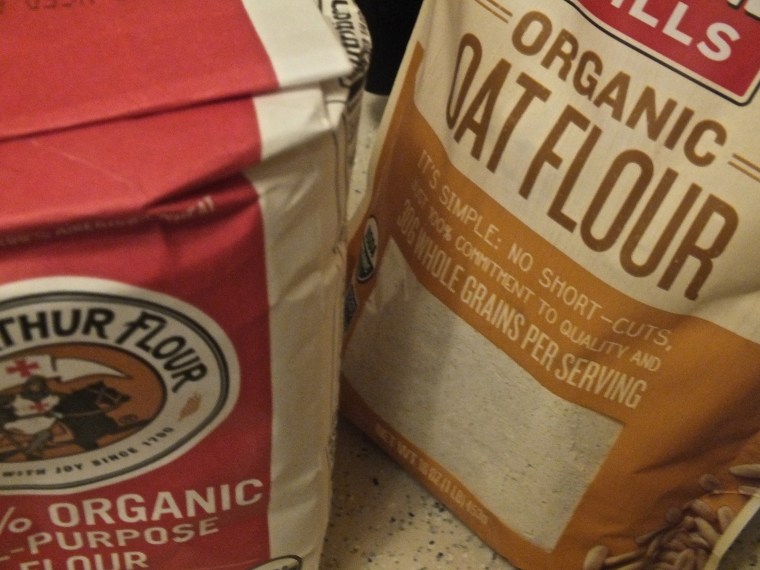
The oat flour means there’s more fiber and less of a white, carbohydrate rush. You can use almost any earthy whole grain in place of the oat flour – spelt, corn, etc. – so take the basic method and then experiment.

And once it gets cooking, don’t forget to stop and enjoy the glorious aroma filling your home!


Crows, Jays and Magpies

I make a point of keeping the farm wildlife friendly. The other day wild turkeys came by. A gopher snake slid away unhurriedly when we met in the herb garden. And the corvids are my morning regulars, coming for treats, considering this their territory and keeping all raptors out, which keeps my hens safe from attack. They even warn me if my dogs are bothering the chickens. So they are on staff here, but the pay is peanuts.


Not eating enough produce? You’re not alone!

By Dennis Thompson
HealthDay Reporter


“Only about one in every 10 Americans eats enough fruits and vegetables, a new government report shows.

Just 13 percent of U.S. residents consume one and a half to two cups of fruit every day as recommended by federal dietary guidelines, researchers from the U.S. Centers for Disease Control and Prevention found.

The news on the vegetable front was even worse. Less than 9 percent of Americans eat two to three cups of vegetables every day as recommended, the report showed…” Read more here.

Proof

Lately, we live in a culture that is surprisingly tolerant of “alternative facts”, ethical relativity, and baseless opinions. And if you are trying to sort out which health information is reliable (aside from that of your trusted doctor), that environment is disempowering and just a hard slog to get through. I recommend these two articles by University of Washington instructors Carl T. Bergstrom and Jevin West to sharpen your powers of discernment:

In your search for genuine health information that will provide support and alternative options, how DO you sort fluff from solid facts and snake oil salespeople from real help? Let me state clearly that I am NOT that kind of doctor, though I have a PhD., so let’s take me as an example of an information source.

First, what is the interest and intention of your information source? Do they make money  specifically from you following their advice? Are they selling something?  This isn’t necessarily a bad thing, but it’s part of your evaluation of the quality of the information. In my case, recommendations that I make come from two motivations: 1. I believe that more and better produce helped my Dad outrun cancer for 20+ years with an excellent quality of life, so I wish that benefit for others, and 2. I have a small farm, and in general I believe small farms provide great food sustainably, so I encourage people to enjoy flavor and nutrient-rich produce as a way to bolster their health. But I don’t recommend aloe vera for acid reflux or blueberries to fight cancer just because I have them to sell occasionally. Do I think everyone should eat more farm-fresh produce? Yes! (The CDC says only 1 in 10 Americans eat enough produce!) Do I benefit directly if you do? Possibly, a little. Enough to steer you wrong? Oh heck no. I gain much more from giving you effective information.

Second, do info providers cite their sources? This indicates a responsible and respectful approach to information. Do several sources agree? Is the information published in a reliable publication. I am not the person who is in the laboratory looking through a microscope at the anthocyanins and lycopene and anti-oxidants and how they affect tumor tissue. But when several people who do that work find value in a nutrient, then I trust it’s worth trying. You will see in my phyto-nutrient library and my library of helpful produce  that I have many quotes, links and footnotes for you to go check out yourself.

Not all evidence has to come from a laboratory. There is Traditional Chinese Medicine knowledge and Traditional Indigenous Knowledge from The Americas, Africa or elsewhere that incorporate thousands of years of trial and error, carried out by herbalists and healers who could see over a lifetime the effects (or lack thereof) patients experienced from their herbal, food, or functional medicine. In the ancient cities of Mexico such as Tenochtitlán, healers prescribed plants with the condition that the patient had to report back how it worked, and results were recorded in Codices (that the Spanish later tried to burn as witchcraft.) This is empirical study, science, not lore. Just because empirical knowledge haven’t been replicated and dissected in a western laboratory, doesn’t mean it’s not true. Some herbal cures aren’t verified because there is no foreseeable profit in developing them. Germany’s health system publishes a huge book of verified medicinal herbs, explaining that these aren’t all the possible plant-based cures in the world, but they are the ones that could be verified by their organization’s methods. But often enough, there is some overlap between American herbalists and Chinese or Ayurvedic knowledge, and you can still find agreement.

Friends and family often have personal experiences to share, with the very kindest intentions. For example, your friend says you should definitely eat nopal cactus for diabetes. Sounds weird. How does she know this? Probably her Grandma told her, because Mexican people have been using this for centuries to counter the troubles caused by a diet brought by colonizers. Or I will recommend dandelion greens for kidney/UT support, because I’ve not only read about it from many sources, including, French and Spanish grandmas, but I use these greens myself to do some spring cleaning. Is this proof it will work for you? Of course not. You may have a different metabolism, a different underlying problem to solve, different medications in the mix, and many other variables that can affect the outcome. But sometimes Grandma knows what she’s doing thanks to many generations of use.

The last thing I would check is whether there is a risk of harm from trying something new in your self-care regimen. For example, grapefruit can conflict with some medications. Red grapes and red wine have wonderful nutrients, but if you have diabetes, they aren’t necessarily your friends, at least not consumed frequently or in generous amounts. Licorice is an amazing cure for those sticky, exhausting coughs among other things, but if taken too much or for more than a week or so, it can mess with your electrolytes, cause edemas, all kinds of ugly side effects. This is where it’s a good idea to ask your doctor and/or pharmacist.

My recommendation is that you suspend belief or disbelief until you verify. Use your common sense and critical thinking to sort out the glut of health information we all face. Check your source’s motivation. Check whether they have confirmed the information. Check whether a person with Traditional Knowledge is the real deal. Check if the recommendation fits you or the person giving it. And then take a careful look at potential risks. The internet is a wonderful tool for making sense of food-based, herbal, and other non-western, non-M.D. health information. Then go ahead and personalize your foods, herbs and other supports for your needs. You are in charge. Let’s be open to information that can help, enjoy the optimism boost from finding new options to try, but respectfully, thoughtfully question everybody and everything.

Scary numbers

Just yesterday, I got a blood test result that was surprisingly not good. Not the immediate end of the world, but stress-worthy. I can’t say I didn’t panic a bit, definitely went to some dramatically dark thoughts – well, now we know how THIS story ends! – and raised my own blood pressure. It’s still up. I really do not like the pharmaceutical solution offered, but the doctor just sent in the prescription and that was it. Which made me think about how friends and family receive news of cancer, diabetes and other terrifying stuff. Wow, it just knocks you on your butt, doesn’t it? You were going along with some minor complaints, and now there’s THIS, something you can’t ignore. Suddenly – if you are like me – you feel all kinds of things and jump to dramatic conclusions, then dismiss them, then think you shouldn’t dismiss stuff… You want to grill the doctor for every detail and option, but you’ve only had a few minutes conversation. Once I pull myself together, I start researching. What are the alternatives to the nasty medications and their side-effects? How much can diet help? What else can I do to help myself? Can acupuncture have a supporting role? I need to settle into my own knowledge and ideas, but then I will be back to tell the doctor — actually, I’ll probably change doctor — how I think this should go. I want to get a handle on things and then re-test in a month. This made me think of a gentleman who came to a prostate cancer support group after getting news that his cancer was back. He was clearly shaken to the core. At the end of meeting, the other men in the group gathered around him and offered lots of information, told him he didn’t have to jump into chemo on Monday, recommended some things that had been working for them. The knowledge of options – not that I agreed with all their advice – was keeping them positive and literally perked up this man’s face and posture. So, while scary-looking numbers and crazy-sounding treatments DO cause a freak-out at first — go ahead and swear, cry, scream, etc. — using your intelligence, the experiences of others, and the internet to challenge standard answers and take charge of your options will eventually brace you. And me. Eventually.

Food As Medicine: It’s Not Just A Fringe Idea Anymore by David Gorn on NPR

Thanks to my sister, Kim, for sending me this article!

Excerpt:

“Research on the power of food to treat or reverse disease is beginning to accumulate, but that doesn’t mean diet alone is always the solution, or that every illness can benefit substantially from dietary changes. Nonetheless, physicians say they look at the cumulative data and a clear picture emerges: that the salt, sugar, fat and processed foods in the American diet contribute to the nation’s high rates of obesity, diabetes and heart disease. According to the World Health Organization, 80 percent of deaths from heart disease and stroke are caused by high blood pressure, tobacco use, elevated cholesterol and low consumption of fruits and vegetables.”

Full article: http://www.npr.org/sections/thesalt/2017/01/17/509520895/food-as-medicine-it-s-not-just-a-fringe-idea-anymore?utm_medium=RSS&utm_campaign=news